The Arc logo

Chapter Benefits Spotlight: Free Social Media Content

Calling all influencers! Are you looking for easy-to-repurpose content for your chapter’s social media accounts? Look no further than The Arc’s Facebook, Twitter, YouTube, and blog. Whether you like, follow, retweet, share, post or re-purpose, The Arc’s content is fresh, informative, inspiring, and thought-provoking. Take advantage of it today!

The Arc logo

Google Seeking Volunteers to Help Develop Speech Recognition Technology

Google has reached out to The Arc to recruit persons with I/DD to help develop speech recognition technology. If you or someone you know has slurred or hard-to-understand speech, fill out this short form to volunteer and record a set of phrases.

The more speech samples the system hears, the more potential Google has to make progress and apply these tools to better support everyone, no matter how they communicate.

Watch this short video to learn about the exciting work that Google is doing to improve speech recognition technology.


The Arc logo

Operation House Call Toolkit

Access to healthcare continues to be a huge concern for adults with I/DD who need qualified doctors to provide primary and specialty care. Operation House Call (OHC) uses a hands-on approach to address these issues by flipping the script and making families the instructor. Medical students experience an in-home visit to a family with a loved one with I/DD to gain a unique perspective into their lives and gain essential sensitivity and disability competency skills to help build their confidence in working with the I/DD population. Join our informational webinar on May 29th at 12pm EST learn more about how to bring this program to your chapter using the OHC Toolkit!

The Arc logo

The Arc Responds to Reports on Widespread Use of Solitary Confinement for Immigrant Detainees, Including People With Disabilities

Washington, DC – This week, reports have surfaced documenting that thousands of immigrants have been trapped in solitary confinement in immigration detention centers, often based solely on their disability status or their gender identity.

“These atrocious reports of cruel confinement in isolation, without necessary services, in circumstances that are traumatizing and dangerous to the people involved, are unacceptable.

“Non-citizens with any type of disability should have a fair opportunity to enter and reside legally in the United States and to become citizens, without unnecessary or discriminatory restrictions based on their disability, gender identity or expression, or sexual orientation. We must also ensure that individuals with disabilities who are facing deportation or other legal action are provided with appropriate representation, due process protections, and reasonable accommodations and that they are not unnecessarily segregated in immigration facilities.

“We have already seen proposals like the public charge rule that would discriminate against immigrants with disabilities, making it harder to legally enter or remain in the country. We continue to condemn these policies and practices and call on Members of Congress, as they have done in the past, to stand up for people with intellectual and developmental disabilities and their families as they seek inclusion in America. We will continue to promote and protect equal rights of children and adults with disabilities in all parts of the world, and call on our government to ensure that, at minimum, people should not be subject to harm while they are held under the care and authority of this country,” said Peter Berns, CEO, The Arc.

The Arc advocates for and serves people wit­­h intellectual and developmental disabilities (I/DD), including Down syndrome, autism, Fetal Alcohol Spectrum Disorders, cerebral palsy and other diagnoses. The Arc has a network of over 600 chapters across the country promoting and protecting the human rights of people with I/DD and actively supporting their full inclusion and participation in the community throughout their lifetimes and without regard to diagnosis.

Editor’s Note: The Arc is not an acronym; always refer to us as The Arc, not The ARC and never ARC. The Arc should be considered as a title or a phrase.

The Arc logo

Amended Budget Proposal Saves Special Olympics but Not All Other Disability Program Cuts

Washington, DC – This week, President Trump sent to Congress an amended budget proposal which included money for Special Olympics, reversing an attempt to cut the funding. However, many other cuts that could impact the lives of people with intellectual and developmental disabilities (I/DD) are still in the President’s budget request.

“Funding for the important work of Special Olympics has broad support in Congress and amongst the public. But so does funding for a host of other programs that support people with intellectual and developmental disabilities to thrive in the community.

“It’s not too late for the President to go further and reverse course on his proposal to cut Medicaid, the core program providing access to health care and home and community-based services for people with disabilities. Or his plan to impose work requirements to be eligible for the program. Or any of the other cuts proposed that could impact access to job training, maternal and child health, or caregiver support, to name a few.

“What we invest in reflects our values as a society. There’s a lot at stake for people with disabilities in the budget process in Washington, and there’s still time to make the right investments that keep up the progress we’ve made in access to services and supports across the lifespan, “said Peter Berns, CEO, The Arc.

The Arc is particularly concerned about the proposed cuts to Medicaid, which come in the same form as those included in the 2017 proposals to repeal the Affordable Care Act (ACA) and cut and cap the Medicaid program. Congress rejected this in 2017, but the Administration proposed budget includes replacing both the Medicaid expansion and ACA subsidies with a block grant, and converting the rest of Medicaid into a per capita cap which would deeply cut the program and cap the amount of funding available. The end result of these proposals being put in place would be less money for states, restrictions on eligibility, cuts to services, and growing waiting lists.

The Arc has compiled information about the Administration’s budget request as it pertains to programs that provide services and supports for people with I/DD and their families.

The Arc advocates for and serves people wit­­h intellectual and developmental disabilities (I/DD), including Down syndrome, autism, Fetal Alcohol Spectrum Disorders, cerebral palsy and other diagnoses. The Arc has a network of over 600 chapters across the country promoting and protecting the human rights of people with I/DD and actively supporting their full inclusion and participation in the community throughout their lifetimes and without regard to diagnosis.

Editor’s Note: The Arc is not an acronym; always refer to us as The Arc, not The ARC and never ARC. The Arc should be considered as a title or a phrase.

The Arc logo

The Arc’s Concerns About Changes at the Administration for Community Living

The Arc was concerned to read the Notice Statement on the reorganization of the Administration for Community Living (ACL) published in the federal register. As the “the principal agency in the department designated to lead aging and disability programs,” ACL must have sufficient resources, support and clarity in its goals to be successful in this role. ACL has been a leader and key partner on a range of essential issues, including protecting the rights of people with disabilities and older adults, preventing abuse and neglect, supporting needed systems change activities, promoting promising practices in home and community-based services, implementing person-centered planning, and providing a range of technical assistance to states and other stakeholders, among many others.

ACL must continue to support programs and policies that advance community living for older adults and people with disabilities of all ages and facilitate full participation in their communities. Achieving this goal requires a robust and well-informed staff, including, for example, leadership with substantial knowledge of independent living services directing the Independent Living program, as required in the Workforce Innovation and Opportunity Act. The current proposal divides programs that have traditionally worked collaboratively, such as the programs authorized under the Developmental Disabilities Assistance and Bill of Rights Act.

We strongly encourage the U.S. Department of Health and Human Services to prioritize ACL’s work toward its stated mission, to maximize the independence, well-being, and health of older adults, people with disabilities and their families and caregivers. ACL must avoid unnecessary disruption and ensure that any changes will not undermine the agency’s effectiveness. We call on ACL leadership to work with stakeholders to safeguard necessary supports and services for older adults and people with disabilities and advance community living.

The Arc logo

Executive Spotlight: Gena Richardson, The Arc of Alabama

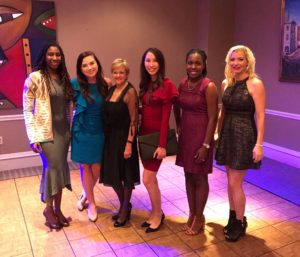
Gena Richardson stands and poses with her junior board at Capital City Club Gala Benefiting The Arc of Alabama

Capital City Club Gala Benefiting The Arc of Alabama, November 2018

Cultivating the next generation of leaders and advocates in the I/DD community is key to the continued success of The Arc and its mission. This is especially true in chapters across the country, where strong community connections can make all the difference in the health and future of a chapter.

Through her junior board, Gena Richardson at The Arc of Alabama is setting an example for what this can look like – and showing how bringing younger members of the community into the movement is both a smart short- AND long-term strategy.

What was your motivation for developing a Junior Board? What is the ultimate goal of the Junior Board?

Junior Boards are known to be an effective and creative way for nonprofit organizations to raise money. It has been my experience they also provide support for the strategic plan, offset some costs related to consulting services, and help build a stronger network.

Tell us how you went about finding the Junior Board members. Where did you find them in the community?

After determining the vision for our Junior Board, I attended community events and networked until I found our core group.  It was important for me to look within established groups known to set high expectations for volunteers, and promote leadership development. The majority of our Junior Board members are involved in Rotary, Montgomery Chamber Ambassador Program, or Junior League. I am actively involved with these groups. The Junior Board members knew me, first and foremost, as a fellow volunteer. Once I approached a potential member and extended an offer, they were ready to join our group.

What activities do you engage the Junior Board in to build involvement and engagement in the mission?

I always encourage everyone to have fun. As we added new members each person was assigned duties based on their area of interest and expertise. This will continue to be our protocol. During the first nine months, we participated in a number of events including, but not limited to, a legislative prayer breakfast, Autism and Disability Friendly Day during a Minor League Baseball game, and our upscale fundraiser. 50% of ticket sales were given back to The Arc of Alabama. 100% of the overhead was covered by Capital City Club (a social and business club). Additionally, 100% of silent auction proceeds came back to us.

Has the Junior Board’s presence strengthened your organization’s work, and how so?

The Arc of Alabama’s profile has increased in our local community. When our Bylaws were initially drafted, we felt as though expanding opportunity for membership beyond the Montgomery metropolitan area gave more opportunities for donations, speaking engagements, and increased impact across the state. We have 30 local chapters in Alabama, the majority in underserved rural counties. Soon after our Junior Board was created, we had our foot in the door to speak with representatives from two counties that did not have a local chapter. During the last year, our Junior Board has obtained donations, provided pro bono services and consultations, and helped with regular volunteer activities. The professional backgrounds of our founding group range from behavioral health and disability services, marketing, legal services, accounting, nonprofit management, public policy, and political consulting. While recruiting Junior Board members, our intent was to connect with go-getters of diverse professional backgrounds.

What do you envision as the future of the Junior Board?

If the past is any indicator of what the future holds, it is incredibly bright for the Junior Board. They will continue to do excellent work. Everyone put in considerable time during the first nine months to make sure the Junior Board had a successful start. It was not uncommon for us to meet during nights and weekends. When a dedicated group of go-getters invests that much time, great things happen.

The Arc logo

Talk About Sexual Violence: James’ Story

Sexual assault and violence disproportionately affect people with intellectual and developmental disabilities (IDD), with findings from NPR revealing that people with IDD are assaulted at seven times the rate of people without disabilities. The first step to tackling this epidemic is talking about it.

Read more from one survivor:

James Meadours smiles at the camera in a selfie, wearing a navy blue polo shirt and glasses.

I never thought lightning could strike twice in the same place, but in my life it happened. I was sexually assaulted four times during my life and this is not uncommon for men or women with disabilities. I want to share the last time it happened to me.

I was looking for a Church that welcomed people including those with disabilities. A friend encouraged me to join him for a Church service and when I was there I met a member who was deaf and wanted to teach me sign language. I thought we were becoming friends. One time we spoke on the phone and he asked if I was gay, I told him I was not. We got together the day before Church at my home and he began to be sexual with me. Even knowing I was not gay, he still approached me. Again, I told him I was not interested and let him know by shaking my head “NO” and backed away. I used sign language to say NO but he signed YES.

The next day when I went to Church I didn’t tell anyone. I felt ashamed and afraid if I told anyone I could be hurt. I reached out to the pastor and nothing was done and out of frustration I told my friend and he called 211 to make a report on my behalf with my permission.

I went to the hospital to make sure I was OK. People listened and took the time to help me. The SANE Nurse (Sexual Assault Nurse Examiner) was gentle and understanding. I wanted to make a formal report to law enforcement and hoped the officer would be kind and help me feel at ease. Later in the week an officer made a home visit and gathered evidence. The kindness the officer showed me is not typical.

I pressed charges and went to court. He went to jail.

My friends believed me and were helpful at different stages, but when I approached the local rape crisis center two weeks later they didn’t know how to provide support since they do not usually help many men, especially men with disabilities. It was a new experience for them, but despite them not having training, they tried to be helpful.

No one taught me the steps to recovery. I did remember what the SANE nurse told me – she looked me in the eye and said I needed to take care of myself before helping others who have suffered. After two years of recovery work, I realized when I was at a meeting to discuss sexual assault that I wanted to tell my story. This was the beginning of my journey to become an advocate to support others with disabilities who have suffered with sexual assault. I am now a national advocate and speaker at many conferences sharing my story and recommending changes so others can find healing and if they want they can become part of the MeToo movement.

As Sexual Assault Awareness Month draws to a close, join us in the movement to Talk About Sexual Violence! And, sign up for our criminal justice emails to receive resources, timely news, and ideas on how to advocate and get involved throughout the year.

Our Call to Action

Recommendations for Schools and Students

  1. Provide age-appropriate sex education for students with disabilities.
  2. Discuss safe vs. unsafe relationships.
  3. Identify who to report a sexual assault incident to.
  4. Ensure a personal safety plan is included in Individualized Education Plans (IEPs).

Recommendations for Individuals

  1. Reach out to a trusted person if you have experienced sexual assault.
  2. Learn about your rights as a crime victim and what can happen if you report.
  3. Locate and attend sexual assault support groups.
  4. If you are interviewed by law enforcement, request privacy.
  5. Know your rights about your accommodation needs.

Recommendations for Disability Service Providers

  1. Require sexual trauma training for providers.
  2. Demand deeper background checks for all employees.
  3. Listen and believe when someone discloses sexual assault.
  4. Provide accommodations when a person reports an incident.
  5. Ensure privacy when a person reports sexual violence.

Recommendations for Criminal Justice Professionals

  1. Required training for first responders, law enforcement, the courts, and sexual assault and rape crisis professionals about serving crime victims with I/DD.
  2. Learn effective strategies for interviewing crime victims with disabilities.
  3. Use disability specific accommodations.
  4. Consider community outreach to reduce fear of talking with law enforcement.
The Arc logo

#HandsOff: Why I Advocate to Stop the Shock

This was part of a series called #HandsOff, where we featured calls to action and stories from families across The Arc’s network about how key policy issues impact their day-to-day lives.

Written by: Nicole Jorwic, Former Senior Director of Public Policy at The Arc of the United States

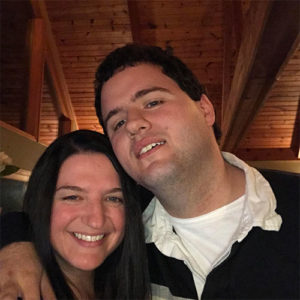
Nicole and Chris Jorwic

People with disabilities are being tortured by shock devices at the Judge Rotenberg Center. These devices are worn by residents of JRC, an institution in Massachusetts for children and adults with disabilities. Staff members use remote controls to administer a shock to residents for perceived misbehavior.

This is despite the fact that there is a well-established body of evidence proving that there are alternative methods for behavioral supports for people with disabilities and other needs that do not include excessive force, pain, and fear. It continues to be shown that there is NO THERAPEUTIC benefit to these devices. The actions of the JRC remain a civil rights issue. With every day that passes without this rule being finalized by the FDA, the rights of people with disabilities and mental health issues will continue to be violated as they endure abuse and torture. We shouldn’t rest until this barbaric practice is halted and use of these devices are banned at the JRC and nationwide.

This issue is something that matters to me personally. My brother Chris is 29 and has autism. And it is my brother’s voice that I have heard during every tense Capitol Hill meeting, meeting with the FDA and submitting comments on why these tortious devices must be banned. This is a little ironic since my brother doesn’t use his voice to speak.

Chris types to communicate — and one thing that he always highlights when he is out training others on how to interact with people with disabilities, is that every behavior is a form of communication. Chris communicates with his behaviors too, and it terrifies me to know that if he were a resident at the JRC, he could very likely be shocked for trying to express himself or communicate his needs.

The FDA must act. All people with disabilities deserve the right to live free from the fear of torture. Continuing in their posture of inaction is to devalue the lives of people with disabilities. We will not stop fighting until we are able to STOP THE SHOCK. Learn more about how you can help.

The Arc logo

Talk About Sexual Violence: Kecia

April is Sexual Assault Awareness Month. Sexual assault and violence disproportionately affect people with intellectual and developmental disabilities (I/DD), with findings from NPR revealing that people with I/DD are assaulted at seven times the rate of people without disabilities. The first step to tackling this epidemic is talking about it.

Read more from one survivor:

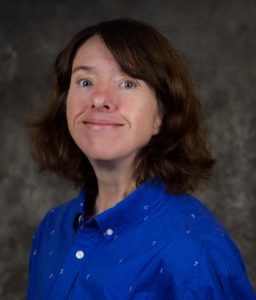
Kecia Weller poses for a photo against a gray mottled background with a blue shirt on.

“Get involved. Help people with disabilities learn about safe relationships and prevention of sexual assault. Special attention must be provided at peer advocacy meetings to teach people how to support survivors when they report the abuse and create their own safety plans. There are many ways people with disabilities can be supportive. A few ideas include volunteering to be a listener on a hot line, educating school teachers about the frequency of abuse against students with disabilities and most important, learning more yourself about the alarming rate of sexual and other kinds of assault happening to men and women with disabilities.”

Read more of Kecia’s story.

During Sexual Assault Awareness Month, join us in the movement to Talk About Sexual Violence! And, sign up for our criminal justice emails to receive resources, timely news, and ideas on how to advocate and get involved throughout the year.

Our Call to Action

Recommendations for Schools and Students

  1. Provide age-appropriate sex education for students with disabilities.
  2. Discuss safe vs. unsafe relationships.
  3. Identify who to report a sexual assault incident to.
  4. Ensure a personal safety plan is included in Individualized Education Plans (IEPs).

Recommendations for Individuals

  1. Reach out to a trusted person if you have experienced sexual assault.
  2. Learn about your rights as a crime victim and what can happen if you report.
  3. Locate and attend sexual assault support groups.
  4. If you are interviewed by law enforcement, request privacy.
  5. Know your rights about your accommodation needs.

Recommendations for Disability Service Providers

  1. Require sexual trauma training for providers.
  2. Demand deeper background checks for all employees.
  3. Listen and believe when someone discloses sexual assault.
  4. Provide accommodations when a person reports an incident.
  5. Ensure privacy when a person reports sexual violence.

Recommendations for Criminal Justice Professionals

  1. Required training for first responders, law enforcement, the courts, and sexual assault and rape crisis professionals about serving crime victims with I/DD.
  2. Learn effective strategies for interviewing crime victims with disabilities.
  3. Use disability specific accommodations.
  4. Consider community outreach to reduce fear of talking with law enforcement.