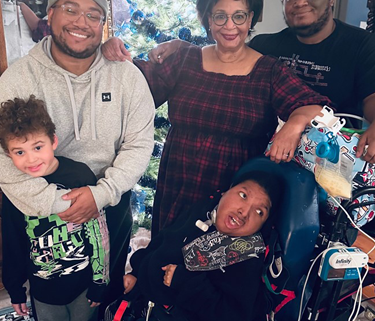
A family posing for a photo in a living room. One of the sons has disabilities and is in a wheelchair.

Spotlighting The Arc’s Changemakers: Debbi Harris, Vice President of the Board

If anyone embodies the fierce, compassionate spirit of advocacy at the heart of The Arc, it’s Debbi Harris, MA, MS, the 2023 Vice President of our national Board of Directors. For over 25 years, Debbi has fought tirelessly to shape systems that fully include people with disabilities and complex medical needs, and it all starts with Josh.
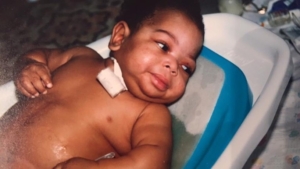
A baby in a small tub. There is a piece of gauze taped to his chest.Debbi’s son Josh was born eight weeks early with a grade four brain hemorrhage. As she shares, “He was one of the sickest babies in the neonatal intensive care unit. It started our roller coaster of a journey of having a child with complex medical needs and disabilities.”

Securing reliable home nursing supports has always been a struggle. When he was an infant, there was a constant rotation of providers coming to her door, many of whom had limited training.

“It was really scary… Josh was harmed because people were coming in who weren’t well-oriented or trained to care for him. At just 18 months old, Josh was hospitalized three times because of this.”

Debbi and her husband Victor also struggled with their careers while managing Josh’s needs and raising their two other children. Victor was often called away for active duty with the military. Debbi worked full time in a traditional office setting, often working into the night to meet her deadlines and hold onto their health insurance. “That insurance was what was providing Josh’s life-sustaining medical care. But because of the hospitalizations, I gave up my career to stay home and care for him when he was two years old.”
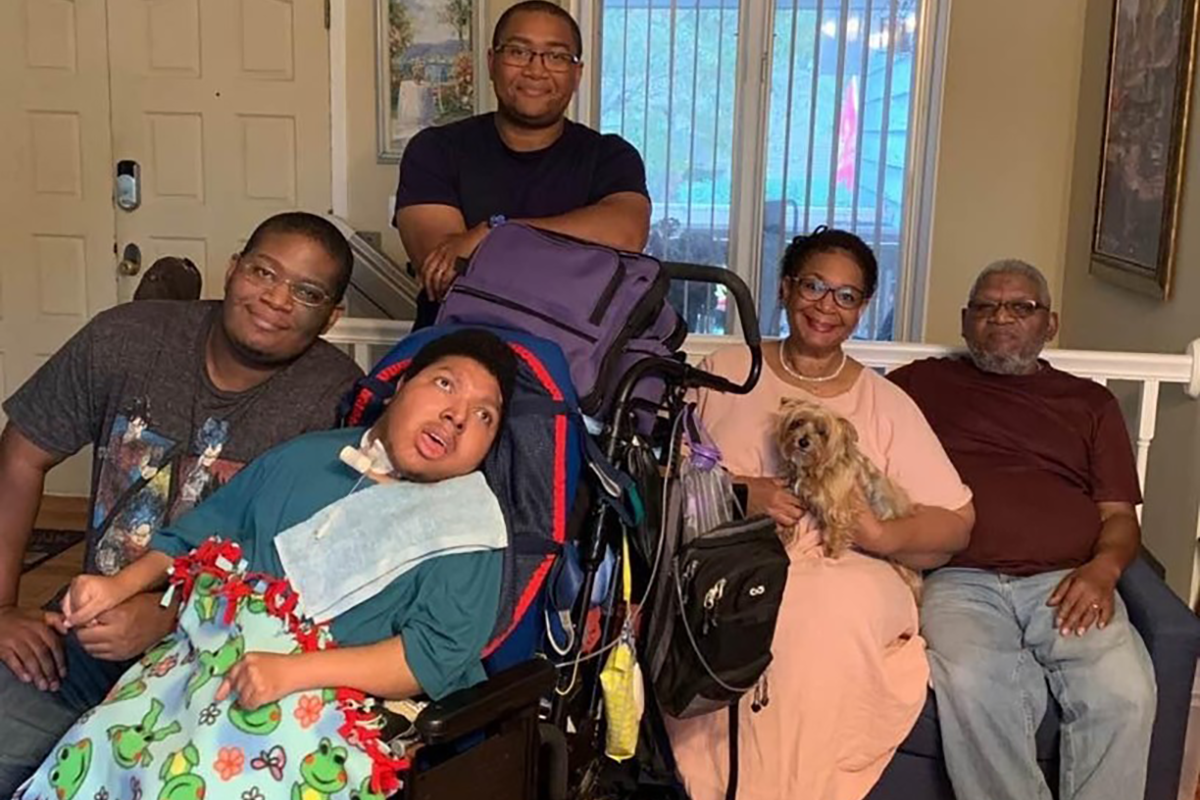
A family, parents and three sons, posing for a photo in a living room. One of the sons has disabilities and is in a wheelchair.Out of crisis came purpose. Debbi soon immersed her family in The Arc’s chapter support systems, connecting her sons to sibling workshops and herself to a parent networking group. “We still count on those relationships for support today,” added Debbi.

Not long after, her local chapter of The Arc called on her to testify in support of the Tax Equity and Fiscal Responsibility Act (TEFRA) and better standards for care workers. Years later, when Josh was headed off to school for the first time, Debbi found herself in battle for nursing support. School officials told her that Josh couldn’t go to their school unless she paid for a nurse to accompany him during the school day. “I was so jolted by what they said, and I knew we had a big fight on our hands, so I went to The Arc and they stuck by me,” she recalled. “They looked up precedent cases, got their big-time lawyers involved… and we won.”

Debbi not only secured Josh’s rights to nursing care within the school, but her victory paved the way for other families. Now the school must notify every family whose child needs nursing care that they are entitled to support in school.

Debbi constantly found herself in circles with The Arc, including a fundraiser at the home of a family that had two daughters with disabilities. That led to leadership roles in chapters of The Arc, from serving on the Board of The Arc of Dakota County to The Arc of Minnesota and as Board Chair for The Arc of Greater Twin Cities. Debbi has been involved in so many aspects of community advocacy, including working with local and federal legislators. She’s also a published writer illuminating caregiving and equity issues in medical journals.

Debbi’s exceptional contributions earned her the prestigious Betty Hubbard Family Advocacy Award from The Arc of Minnesota in 2013. Her family got to witness her receiving the award. “It meant a lot that they were able to be proud of me in that way,” Debbi shares.
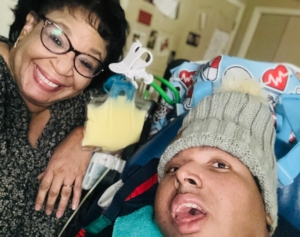
Debbi Harris posing with her son Josh.Once The Arc of the United States got word of Debbi’s powerhouse advocacy, we invited her to apply for the Board. Her proudest volunteer moments have been spearheading the creation of The Arc’s anti-racism position statement and filming a campaign for paid leave in her home. For Debbi, The Arc provides community, kinship, and collective power to drive social change. She points to our strong advocacy at the heart of improving quality-of-life for people with intellectual and developmental disabilities (IDD). And, as she adds, our work is “authentic, grassroots, and rooted in the lived experiences of people with disabilities. We see dignity in all people and we’re willing to make sure that everyone sees that dignity.”

For over 25 years, Debbi’s been on a mission to teach parents how to effectively advocate for their children and to shine a spotlight on the marginalization of people with IDD and the caregiving crisis, and that mission continues today. Debbi is eager to continue leveraging her passion, wisdom, and connections to uplift the disability community nationwide. Her relentless drive reminds us that within all of us lies the power to champion inclusive communities.
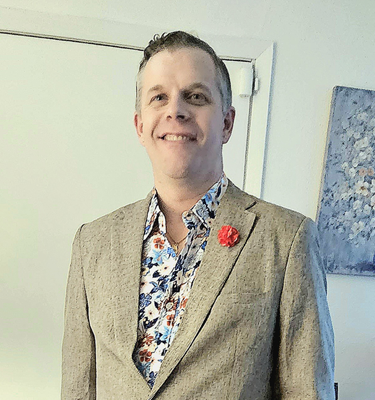
There is a man wearing a tan suit with a floral button up shirt underneath. He is smiling.

DSP Spotlight: Lawrence Discusses Hardship Imposed on Direct Care Workforce

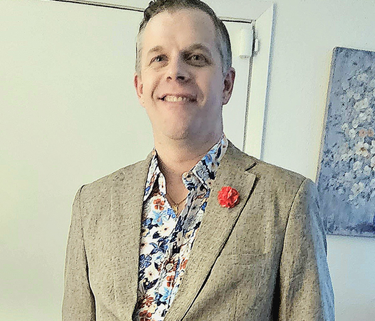
There is a man wearing a tan suit with a floral button up shirt underneath. He is smiling.Working with people with disabilities is Lawrence’s long-time passion. He has worked as a direct support professional (DSP) in New York and Texas, both before and after serving in the Army. As a DSP, Lawrence takes pride in the trusted role he has in the lives of people with disabilities. He helps transport people to and from appointments, gives medicine, cooks, cleans, dresses, changes, and feeds people who may not be able to do these things for themselves. He even seeks out specialized training that is needed to support people who have challenging behaviors that may result in injury to themselves and others.
For years, the DSP field has been undervalued and underfunded. For Lawrence, this comes from a lack of recognition and social awareness.

“It is important for people to recognize the skills, training, and importance of our profession and how comparable it is to jobs with similar requirements,” says Lawrence. “I have performed in nursing and emergency services roles; I can say these skills easily translate to direct support professionals. However, these other professions receive not only more public credit but also a substantially larger salary… I have served in this profession for 18 years and don’t have the heart to leave. But right now, I am only earning just over minimum wage and having to work 60 hours a week.”

Dedicated direct support professionals do their best every day to care for people with disabilities and seniors. However, due to poor pay, it is hard for many DSPs to support themselves and their families on this below-average wage.

Recently, the crisis impacted a family that Lawrence works with. When the mother could no longer physically care for her teenage son, Lawrence stepped up. In Texas, it can take 6 years, on average, to get Medicaid home and community-based services. During this time, many people with disabilities end up in institutions, like nursing homes, because they can’t get the support they need to live at home. To prevent this from happening, Lawrence offered to house the teenager and care for him in his own home, at his own expense. “I support him out of the very wages I am paid by Medicaid for my work. It is my choice, but I shouldn’t have to do this for the young man to get the help he needs,” says Lawrence.

Being a direct support professional requires many critical skills but is often easily overlooked by those making decisions about Medicaid funding. As a result of this oversight, there are not enough DSPs to help all the people who need care. The low pay scale often means that people are not able to gain proper training or stay long enough in a DSP role to learn all the skills needed for the position.

“It is my prayer that our government works diligently to support the people with disabilities in our communities and their families. It is desperately important that the processes for funding, equipment, placement, and care be streamlined and that we recognize the value and appropriately pay those who work with people in need. It is through this that we will drastically improve the quality of care and quality of life of those with disabilities.”

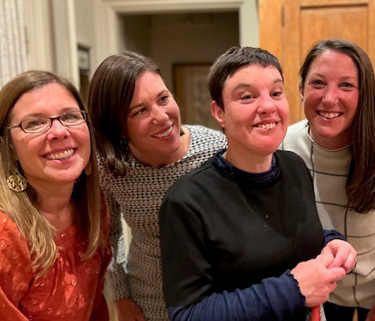
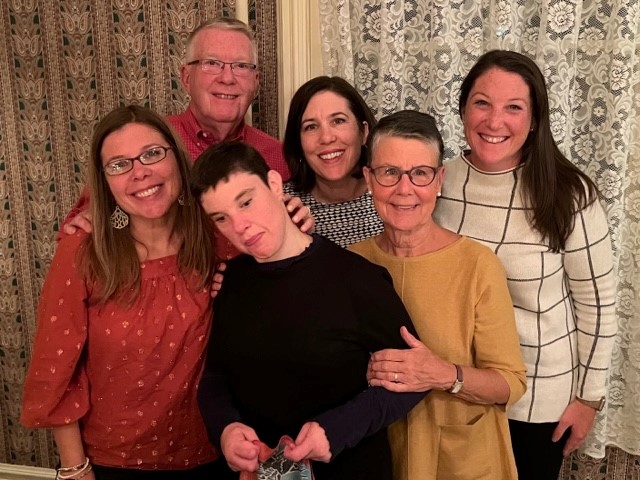
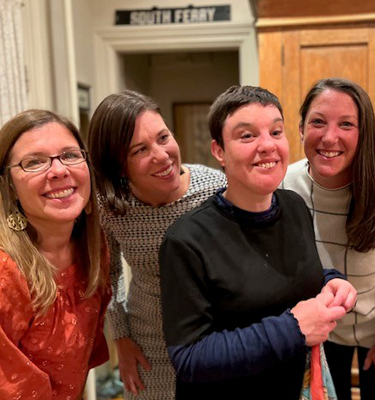
Four adult sisters standing next to each other and smiling

Spotlighting The Arc’s Changemakers: Laura Kennedy, President of the Board of Directors

When Julia Kennedy was born in 1982, The Arc had already been laying the groundwork for her to thrive.

Laura and Hal Kennedy were parents to two daughters, ages 3 and 4, when Julia arrived. Early on in her infancy, they knew that Julia was experiencing developmental delays. She eventually was diagnosed with profound intellectual disability and autism. Working with their pediatrician, the Kennedys sought out the help they would need to support Julia at every step, and they found their local chapter of The Arc, AHRC New York City.

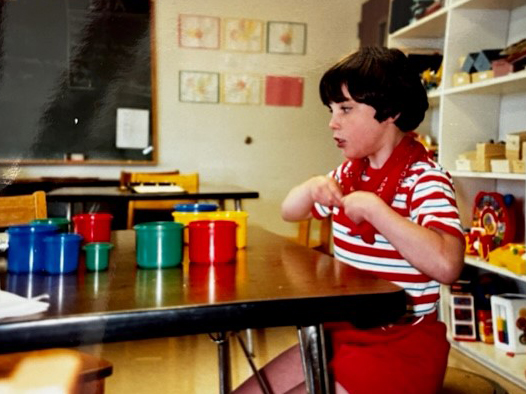
A young girl is in a classroom setting. She's seated in front of a table; there are cups on the table in many different colors.Julia started attending a pre-school run by United Cerebral Palsy, where they received a flyer for a family event hosted by AHRC New York City. The whole family spent a Saturday afternoon connecting with other parents, siblings, and children with disabilities.
Laura shared: “It was like walking into the extended family that we all needed. It was the beginning of our now 40-year relationship with this incredible community of people.”

As Julia grew, and the Kennedys welcomed a fourth daughter, they began relying on The Arc for help with Julia’s schooling.

“I was learning about Julia’s rights and what environment could help her thrive. The team at AHRC New York City assured me that there was a continuum of services, and at the top, The Arc’s national office had gurus in special education policy fighting for systemic change. And before Julia was born, they had paved the way,” said Laura.

She added: “Very little existed 10 years before Julia arrived on the scene. I think that’s one of the most important things for people to keep in mind—The Arc’s national advocacy impacts people who are young and old, those who are not even born yet.”

The Kennedys were struggling to balance their four busy daughters’ needs. AHRC New York City helped them through respite care. Julia was very uncomfortable traveling, and so as the family took short trips, they gradually learned to trust other caregivers. Julia had invaluable experiences at overnight camp and staying at a respite home for a night or weekend, and Laura and Hal learned how to balance the risk and the opportunity.

“We needed that support to give time and attention to each child. And Julia needed to have different experiences in her life to grow. Between AHRC New York City’s programs, the wonderful staff we’ve worked with over the years, and the families we met through the chapter, we all benefited,” said Laura.

Soon, Laura started taking on leadership roles in her local and state chapters. In 1993, she joined the Board of Directors of AHRC New York City, representing her home borough of Staten Island. Laura was focused on helping the chapter be the go-to organization for families, supporting those recently receiving a disability diagnosis, and making the kind of connections that the Kennedy family had because of The Arc.

“In the mid-1990s, you still had some pediatricians telling families when they received a diagnosis, ‘Don’t take this on, for the sake of the rest of your family.’ Well, The Arc was there for families to show them that there was another way, and my family was living proof of what was possible,” said Laura.

“When I first learned about The Arc, I was drawn to the fact that family members make up the majority of the Board. That has a positive influence on how our chapters impact lives. There are other disability organizations that aren’t structured with that in mind, and so we are unique in our culture.”

As President of AHRC New York City’s Board, Laura worked with statewide advocates over two years to get the Governor to help families in disputes over their child’s special education services. They were successful in reversing the “burden of proof” in special education impartial hearings to place the burden on the school district, rather than on the parents.

In 2004, Laura stepped up to a state-wide position on the Board of Governors of The Arc of New York, which was then called NYSARC. She spearheaded a successful membership campaign that doubled the membership of the organization. Laura started attending The Arc’s dynamic national events—the Disability Policy Seminar, where she lobbied in Congress, and the National Convention, where she made lifelong connections. While serving as NYSARC’s president, in 2017, Laura successfully led the organization to fully brand with The Arc of the US.

Today, Julia is 41 years old, lives 10 minutes from her parents, and enjoys life in the community. She likes her outings for shopping and seeing shows, volunteers with Meals on Wheels, and continuously works on her life skills. Meanwhile, Laura hasn’t stopped leading. On Staten Island, in New York City, and in Albany, Laura stays busy by chairing AHRC New York City’s advocacy committee. She is currently the chapter’s longest serving board member. And as our national Board President, Laura is keenly aware of those that will be impacted by The Arc in the coming years, focusing on the future power of the national federation.

“If not us, who? The Arc is the go-to organization for people across the country. So much of what was there for Julia existed because of The Arc nationally and locally. We owe it to the next generation to be doing this work, all the time. What The Arc does is people work. It’s the best way to spend my time,” shared Laura. “We have much more work to do!”

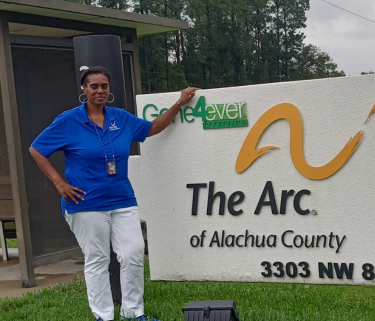
Betty Davis wears a blue top and white pants and stands outsie in front of The Arc of Alachua County sign.

DSP Recognition Week: Betty Davis’ Story

People with disabilities want to live in their own communities and make their own choices about their lives, just like everyone else. For millions, direct support professionals (DSPs) like Betty Davis make that independence possible.

Betty Davis stands in a kitchen with a client, assisting her client with medications.Betty has always had the innate ability to create a safe space for disabled people. As a child, she would talk to them in the grocery store, at church, and on the street. At the age of 18, she found herself running a daycare center and was drawn to do more for the disabled children who came through her doors. She enrolled in disability studies at Santa Fe College, which was right across the street from The Arc of Alachua County. Upon graduating, The Arc of Alachua County immediately hired her as a DSP. That was 20 years ago, and Betty has never looked back.
As Betty shares, “I fell in love with my clients. It wasn’t the pay. It wasn’t the management. It was the clients themselves. If you put your heart and soul into this job, you’ll get love and respect back. My clients have loved me so hard through the years.

Being a DSP is rewarding work, but it can also be physically demanding, emotionally draining, and medically complex. Betty works at a group home with four women who have Prader-Willi syndrome, a developmental disability that causes a range of physical symptoms, learning difficulties, and behavioral challenges – most notably, a constant sense of hunger. Her clients need support 24 hours a day. “Every day, I sit down with each of my clients to go over their caloric intake. I assist them with getting bathed. I make and feed them dinner. I help them do their house chores, manage their medications, and go to bed. On special occasions, like birthdays, I take them home to be with their families. Every Friday, we go out to dinner at a different restaurant and go shopping afterward. They love Walmart, Dollar Tree, Roses, Five Below, and Ollies.”

Not only does Betty advocate for her clients, but they also advocate for her. Betty tears up as she recalls how Melinda, a client who recently passed away at the age of 61, went to the CEO of The Arc, Mark Swain, to ask him to meet her and recognize her work. That year, Betty won Employee of the Year. “She wanted to recognize the type of person I was and that I go out of the way to make them happy,” Betty added.

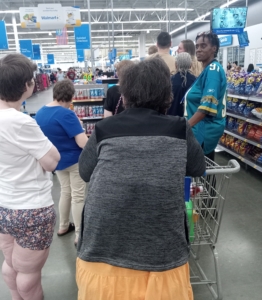
Despite the crucialBetty Davis stands in line with a few of her clients at Walmart role of DSPs, chronic underinvestment in Medicaid’s home and community-based services has led to paltry wages and training, which has created a nationwide shortage of workers. As Betty says, “Spend a day in our shoes. It might seem like what we do is easy, but it’s not. There’s no training, so I had to learn on the job, and there’s not enough staff. Sometimes, I have to work without a break, cover the next shift, or come in on weekends, but I don’t have a problem with that because I want my clients to be happy. Their families tell me all the time that if I wasn’t in their lives, they don’t know what they’d do or where they’d be.”
Luckily, Betty wouldn’t want to work anywhere else. “The Arc is a wonderful place for resources and a wonderful place to work. They are behind me 100% if I want to get more training, and they try to get as many resources as possible to help DSPs out. This is the place to bring your loved one. My clients wouldn’t want to be any other place.”

DSPs like Betty are vital to helping people with disabilities live with dignity and freedom. Help us celebrate them this DSP Recognition Week and beyond.

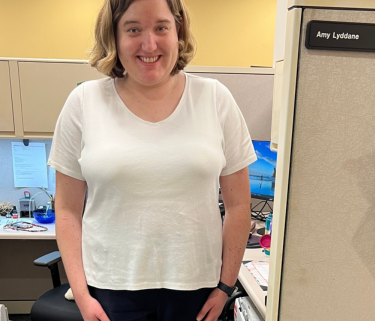
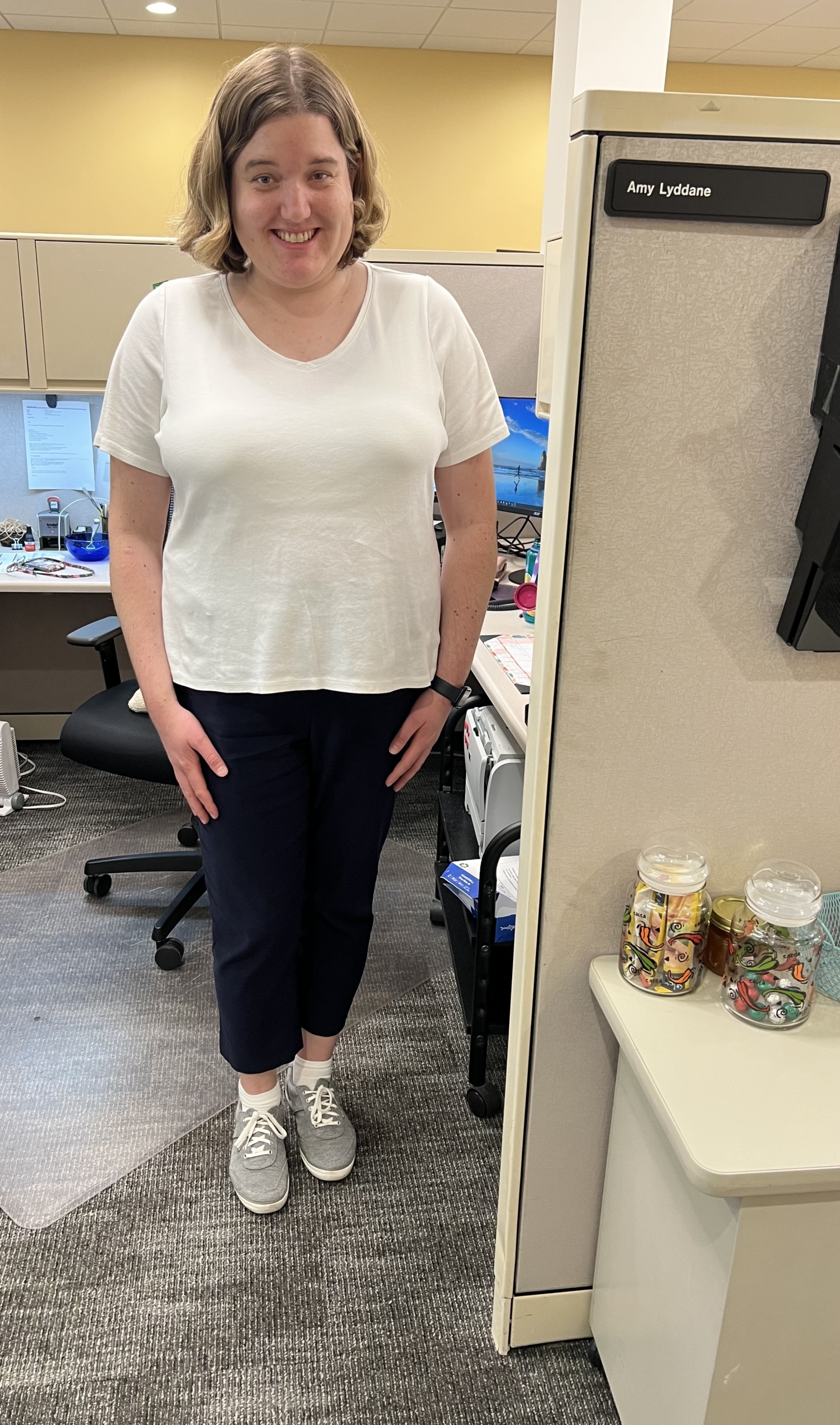
A white woman with blonde hair to her shouldersstands smiling with her arms at her sides in front of an office desk cubicle. She is wearing a white t shirt, black pants, and white shoes.

When Small Talk With a Stranger Led to a Thriving Career: Amy’s Story

A white woman with blonde hair stands smiling with her arms at her sides in front of an office desk cubicle. She is wearing a white t shirt, black pants, and white shoes. After graduating from high school and realizing college wasn’t the right path for her, Amy—who has a learning disability—knew she was ready to begin building her career. She started with typical jobs for young adults, working at Bath and Body Works and Giant Food for several years while taking classes at the local community college until a chance meeting in the college parking lot changed her life.

Amy encountered a woman in the parking lot and engaged in some polite small talk. Serendipitously, the woman’s daughter also had a disability and was currently seeking a job. She had contacted a program called Project SEARCH, and the woman passed the information for the program along to Amy.

Project SEARCH is an employment program for people with disabilities that aims to train and place each participant in competitive and rewarding employment through a series of internship rotations. As an added bonus of the program, the placements help demonstrate to businesses the long-term value of hiring people with disabilities and the wide range of jobs they can be successful in.

Amy enrolled in the program and began her placements, including one at the Montgomery County Department of Finance Treasury Division.

Amy and her assigned employee mentor MaryAnn got along right away—she even had chocolate and a pen ready for Amy’s first day. They got to work learning about homestead compliance and correcting records in the department’s system. Amy learned what it took to succeed in an office job and focused on building skills and making herself an asset to the department.

Amy chose to pursue a Treasury Department job after all of her rotations were done and was thrilled to secure a full-time, competitive job there where she thrived in an environment where people believed in and supported her to succeed. Amy notes “When I first got hired, I was so grateful. I didn’t say it, but inside deep down, because I didn’t really know if it was going to happen. I felt really focused.”

Now 32 years old, Amy is still at the same job enjoying her work, and is optimistic about what her future holds.

“I like everyone I work with. They like working with me too. I am most proud of working on property tax refunds. I research accounts ahead of time to figure out who is eligible for a refund, and then take their information and add the record into our system so it can move to the next step. I’ve gotten better at it over the course of my time there and I like working in Excel.

I’m coming up on my 10-year anniversary, which makes me proud. I do think about the future and maybe learning more skills. It’s been quite the journey.

I have a job coach I see during work, but I live by myself. I have a one-bedroom, and my parents help me with things and have been supportive. They retired to Florida, and I miss them a lot. They come up and visit, and I fly down to stay with them.

When I’m not working, I like to run. It helps me. I don’t get to do it often because of my job, but anytime I can do it, it helps me think better. I like to hang out with friends—it’s good to be social.

Having a job allows me to be independent, buy groceries, pay housing expenses, and go out to dinner with friends.

I hope people don’t give up on their dreams and their goals. It’s very important to work and try to make a good life for yourself.”

Close up of a person holding a small leather wallet in their left hand and pulling out a folded dollar bill

For Tyson, Marriage Changed Everything – Including His SSI

By Tyson from North Carolina

Married people with disabilities often experience penalties that force the couple to give up necessary benefits. Congress must address marriage penalties so everyone has the chance to marry without endangering the key supports they need to live in the community. Tyson is one of the many people with disabilities who have experienced this penalty, and he shares his experience below.


I have been getting Supplemental Security Income (SSI) since I was 19 years old. I’m now 46. These benefits are important to me; they help me pay for things I need, like rent and food. I have always been vigilant to report my earnings and document everything Social Security asked of me.

In 2021, I got married to the love of my life. My wife works for our local school system and is a wonderful partner. I didn’t know, though, that getting married would so greatly impact my SSI.

In late 2021, I got a call from Social Security. It was time to do the regular review, where Social Security asks the same questions over and over to make sure I am sharing all the information and earnings I have. During the call, I shared that I got married, gave them the date and information, and shared my wife’s income information.

Because I got married, I was told that my SSI would be cut from about $800 a month to $500. This was because of my wife’s income. But SSI is my only source of income, and it felt like I was punished for getting married. At the same time, I also found out my rent would increase by $200 a month. So, my wife and I had to do more with even less.

The Social Security office also told me I could get a Social Security Disability Insurance (SSDI) benefit through my dad’s work record. I spent hours tracking down school records to make sure Social Security had what they needed. Several times, people who worked at Social Security told me I would get SSDI. But, in the end, they rejected my application. I felt like I was lied to and that my time was wasted.

I do my best to pay my bills and live the best life I can. But I am trapped in poverty.

I can’t help that I have a disability, and I want to do more to contribute to our household and have planned to get a part-time job. I am worried that doing this will make me lose my SSI and other benefits. My wife and I have thought about moving to another state to be near other family members, but that may cause me to lose my other benefits, too.

I don’t know what to do, but I know that people should not have to live like this or be punished for marrying the person they love.

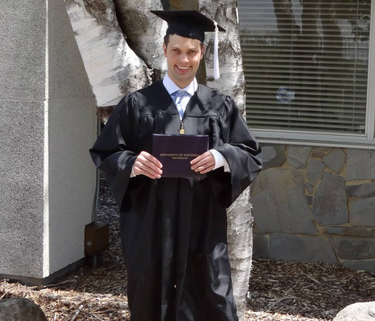
A graduate stands in front of a tree on a sandy spot with boulders around him. He is wearing a cap and gown, holding a diploma, and smiling.

A Genetics Journey To Support What’s Possible in Life

Ellen Feldman has a passion for increasing research in the intellectual and developmental disabilities (IDD) field and continuing her ongoing advocacy in that arena. She currently serves as the Central Region Vice President for The Arc New York, and as a member of the Board of Governors and Executive Committee.

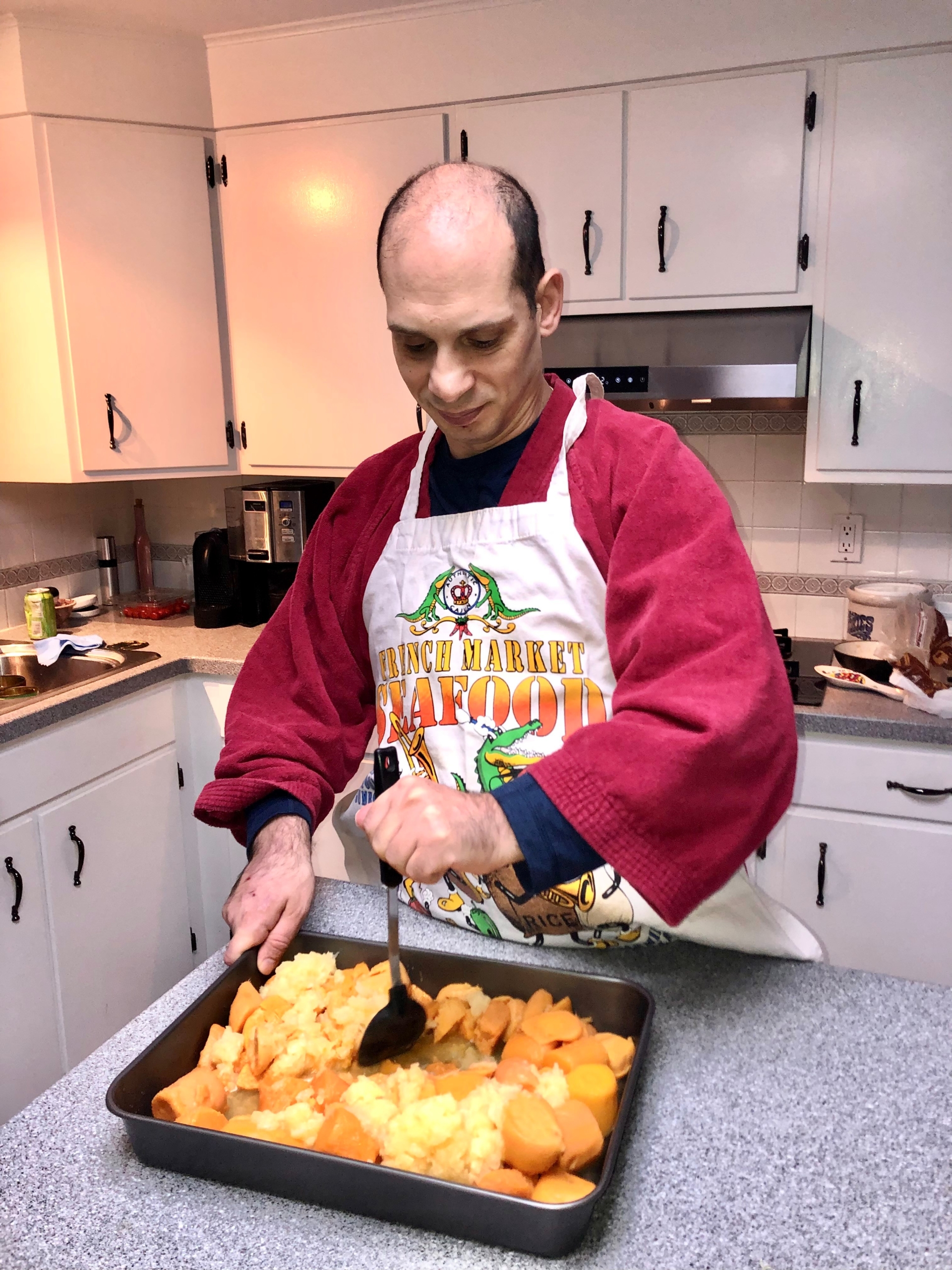
So, what inspires Ellen to devote her time and energy to this field? The answer is simple – her son.A middle-aged man stands in a kitchen with white cabinets. He is wearing a red shirt, and apron, and is using a cooking utensil on a sheet pan of food.

Ellen’s son, Matthew, is 40 years old; he receives supports and services through ACHIEVE, a chapter of The Arc, and has lived in a group home since he was 21. When Matthew was 14 months old, he was diagnosed with IDD and several associated symptoms – all with an unknown cause.

“We went to see the head of pediatric neurology at Columbia Presbyterian Hospital many years ago, and they couldn’t tell us what caused Matthew’s IDD,” Ellen said. “They couldn’t give us a real diagnosis. They basically told us that he’s going to be significantly delayed – he’ll never go to college and he’ll never drive a car. This news was crushing, of course. So we stumbled our way around, got him into early intervention programs, and did whatever we could.

“We’ve been down the path of lots of different hospitals and development centers, always looking – not for cures – but for ways to help him live his best life,” she said.

Ellen reached out to The Arc New York network for recommendations of an objective third party that might help her gain more answers. Ellen connected with a geneticist at Columbia Presbyterian Hospital, and was sent an at-home genetic testing kit. Her family did a series of saliva swabs and returned the package to be analyzed.

On Labor Day Weekend, she received a call that her son has a rare genetic disorder called SynGAP1.

There is currently no cure or specific treatment for the underlying condition that causes

SynGAP1. However, learning more about the symptoms related to the genetic disorder can help individuals find relief and better understand how to manage them. For instance, Matthew has been having staring seizures for a while, and when he comes out of these seizures, he has aggressive episodes.

“There was an incident where Matthew was staring at another individual, staff asked him to stop staring, and he wouldn’t stop,” Ellen said. “This continued until he all of a sudden got aggressive and angry. We now know that when you come out of a seizure, there’s a period of delirium where you’re confused and don’t know what just happened – this confusion triggers an aggressive response. Recognizing these symptoms and being calm instead of admonishing Matthew can help prevent these situations from happening.”

Genetic testing can also lead to the discovery of secondary conditions connected to SynGAP1. Ellen learned her son is at a higher risk of colorectal cancer, and as a result, he’s going for his colonoscopy and endoscopy at the age of 40 instead of 45, the recommended age for those not at risk.

GENETIC TESTING

Ellen understands that some might be apprehensive about genetic testing, especially when it can cost upwards of $3,000. However, she wants to share an opportunity for individuals to potentially get free and convenient genetic testing at home.

She discovered Probably Genetic, a company offering free genetic testing paid for by sponsors. The company’s website provides people with a questionnaire to determine if they are eligible for free testing. A physician reviews the answers, and if the person is considered to be a good candidate, they are sent a test that only requires a saliva sample. The test is returned with prepaid shipping and analyzed in the lab. In about eight weeks, a geneticist calls to review their clinical genetic report.

The SynGAP Research Fund also notes these genetic testing options:

  • Ambit provides free access to genetic counseling and testing to all patients who qualify. Testing is available in all 50 states and is open to all ages. Qualifications include: children age seven and under with at least one seizure; or anyone over seven with at least one seizure, one developmental delay and on at least one seizure medication.
  • Invitae’s Behind the Seizure free genetic testing program is offered to any child in the US or Canada under the age of eight years old who has had an unprovoked seizure. Australian residents can visit this website.

SYNGAP1 mutations are suspected to be the underlying cause of approximately 1-2% of all Intellectual Disability (ID) cases, making it one of the most common genetic causes of ID, similar to more well-known syndromes like Fragile X, Angelman and Rett Syndrome.

SynGAP1 mutations are significantly underdiagnosed. The disorder was only discovered in 2009, and testing didn’t begin until 2015, so any genetic testing completed before 2015 would not have shown SynGAP1.

Additionally, many families receive a diagnosis like autism, intellectual disability, or epilepsy and stop their diagnostic search, thinking they have reached a conclusion.

“I stopped looking for a diagnosis and a cause years ago and just focused on what I could be doing for my son,” Ellen said. “The more information we can load into research databases the more data there is for researchers to use. We’ve got to continue looking ahead to the future and always be thinking of what more we can be doing.”


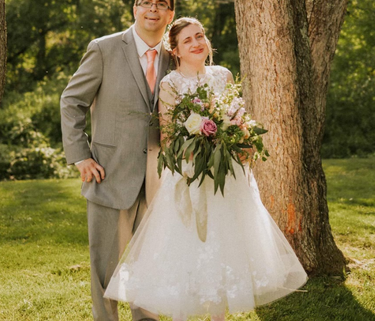
A couple on their wedding day. They are posed in front of a grassy area with trees around them and are wearing a wedding dress and suit. The bride is holding a bouquet of flowers.

From Friendship to Lifelong Love: Scott and Lauren’s Journey

Finding love is something many of us hope for, including people with disabilities. Lauren and Scott met while they were participating in programming at Favarh (The Arc of Farmington Valley). At first, they forged a strong friendship, but as the years went on, their relationship eventually blossomed into love. Now married and living together independently, Scott and Lauren spoke with us about their journey and what it means to make their own choices in love and life.

How did you meet?

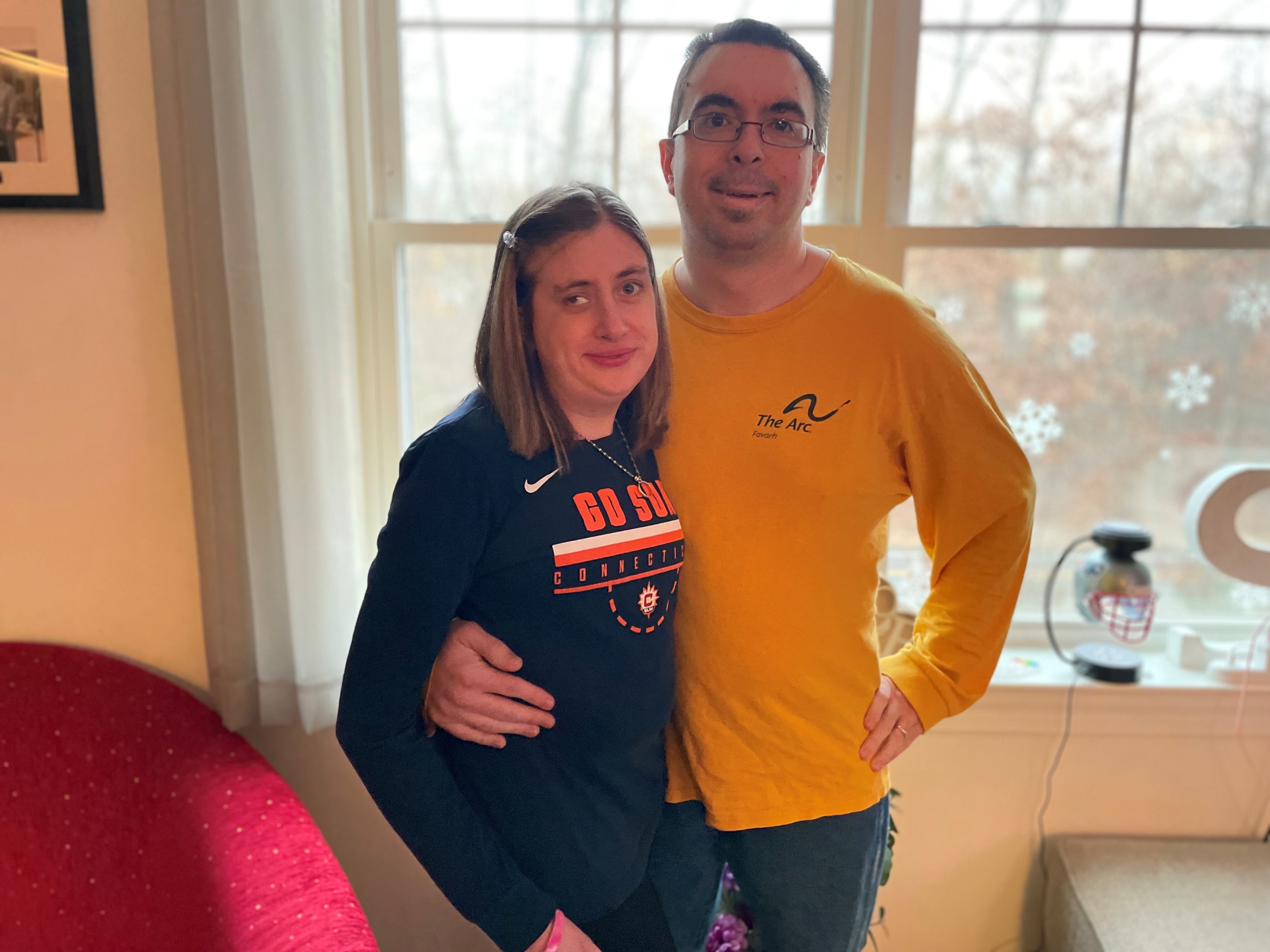
A young couple stands with their arms around each other smiling, in front of a window in a house.

LAUREN: At the age of 21, I was looking for a job and found Favarh. I was nervous and didn’t know who was going to be friends with me, but I met Scott on my first day. It was amazing because that night, I went home and I’m like “Wow, I think I made an actual friend.” When I met him, he stuck by me all the time. He worked with me for two years at Michaels, he and I had a very good friendship. Everyone kind of knew that he and I would end up together. I was coming out of a relationship, and I tried some dating sites. I thought it would be really nice to see what it was like.

SCOTT: I actually talked her out of it.

LAUREN: He told me I shouldn’t be on apps, and said “Let me be the one to be with you.”

SCOTT: I didn’t want anything to happen to her.

LAUREN: I was nervous because I didn’t know what to expect out of him. I had been verbally abused before. But I knew at some point, there’s got to be someone out there who can put me first and for me to rely on.

How did you start dating?

LAUREN: No one asked the other person out, we just did it together. We just wanted to go out and see what it’s like.

When Scott and I became boyfriend and girlfriend, my grandfather passed away. It was really weird timing. For me to have Scott was really special. He was the first one I messaged after I heard the news because I knew I needed my friend to understand what was happening. He came to my grandfather’s memorial service and it was so nice.

My mom and dad were very supportive of us going out and took us places (and still do.) It kind of amazes me now to look back and say wow, this really has happened. He’s been by my side throughout the years. It’s really hard to be away from him.

We got engaged in 2019. He needed my parents’ permission to propose to me. Scott and my dad went out to dinner together, and then Scott and my mom separately.

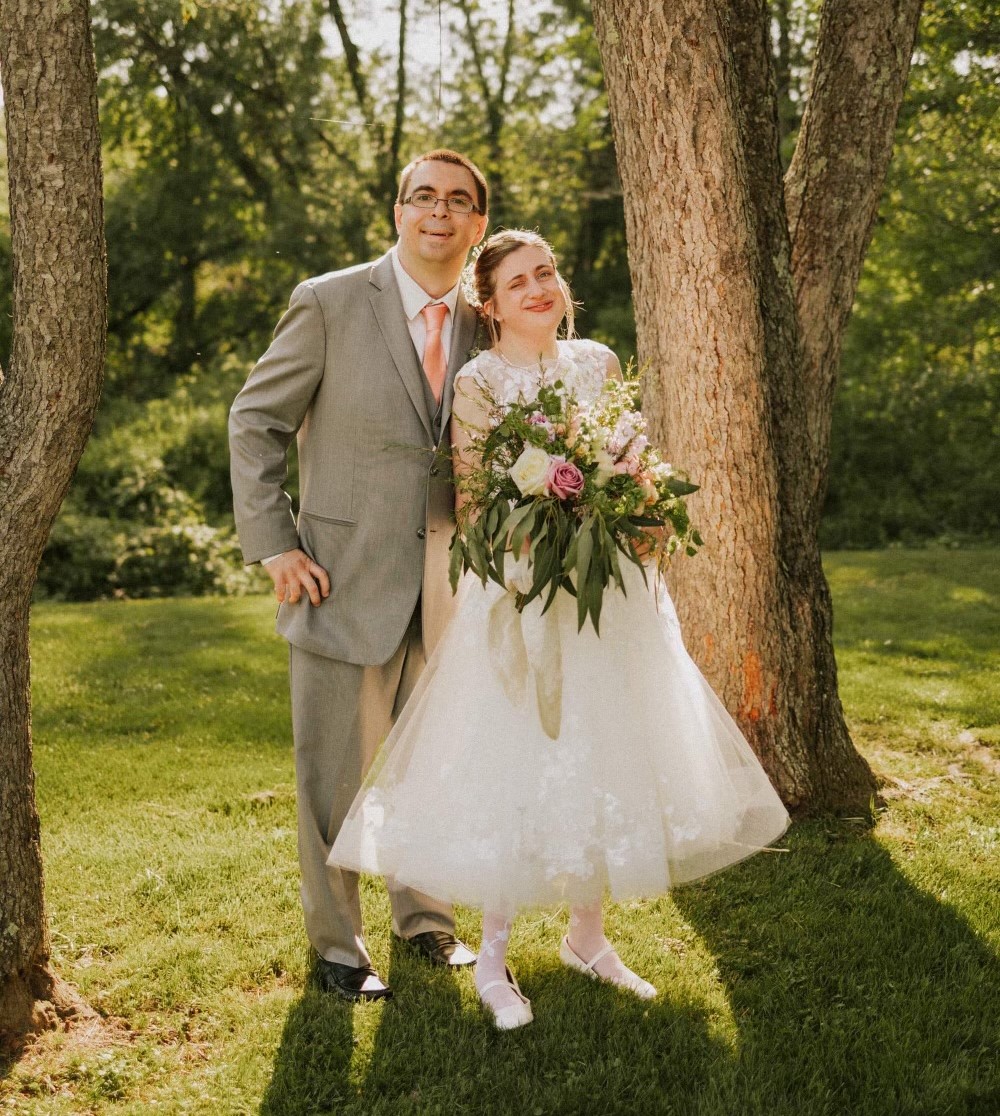
A couple on their wedding day. They are posed in front of a grassy area with trees around them and are wearing a wedding dress and suit. The bride is holding a bouquet of flowers.

Why was getting married important to you and what does it mean to you? What was the process like?

LAUREN: Just the fact that we’re together. Knowing he’s there for me is a great feeling.

SCOTT: Relying on each other more. Knowing that we’re husband and wife.

LAUREN: Planning our wedding was a long process. It was the hottest day of the year that we got married. He wanted to wear his bathing suit under his wedding suit! It was really hard trying to figure out everything. I have a brother who lives in Denver, and he was a part of the wedding. We had two best men and I had junior bridesmaid and a maid of honor. It was really fun having my hair and makeup done. Everyone in the wedding sat with us at our table. All I wanted was a small wedding, but we ended up inviting a lot of people!

Why is being independent important to you?

LAUREN: It’s important to be in control of what you do.

SCOTT: Our parents don’t come over as much as they used to. We’ve had less staffing, they’ve backed off of helping us. They used to observe and supervise us cooking dinner, they used to check on us a lot more. Now we do our own laundry, plan our days, go to work, and come home. It is awesome to be able to stay up as late as we want. And now [living together], we don’t have to message each other – we don’t have to use our phones as much because we’re right here.

What do you see for your future?

LAUREN: Having kids—someday being parents. I can see us having independent jobs.

SCOTT: Growing old together. I can’t imagine being with anyone else.

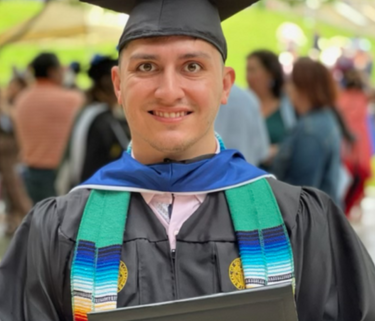
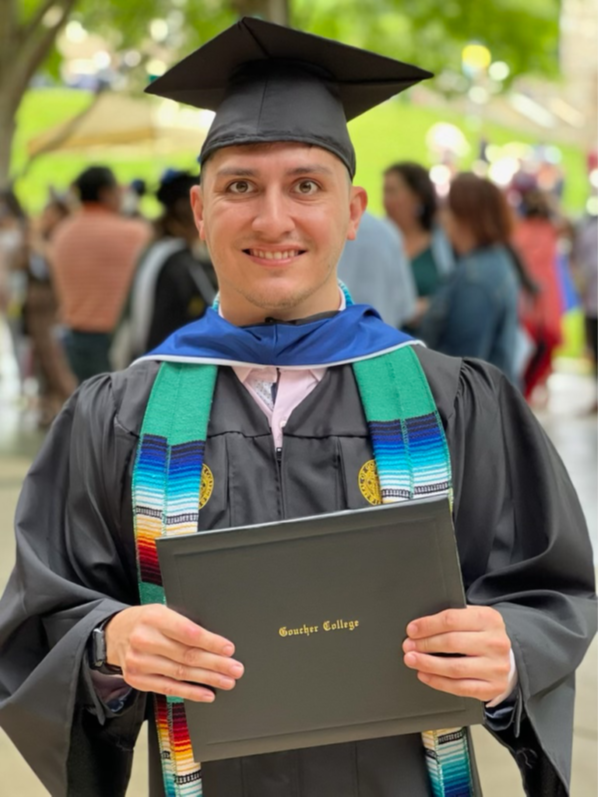
A Hispanic man stands in a black graduation cap and gown, smiling and holding a diploma. He is wearing a multi-colored stole over his gown.

Despite Obstacles, Carlos Is Determined To Pursue His Dreams

A Hispanic man stands in a black graduation cap and gown, smiling and holding a diploma. He is wearing a multi-colored stole over his gown.

Carlos is 32 years old, lives in Maryland, and has cerebral palsy.

His life has been filled with obstacles, but despite all that he has faced, he’s remained determined to achieve his dreams.

Carlos was born in Ecuador, where the landscape of disability services was far scarcer, and discrimination far worse. They did not have classes or formal disability supports available. When his mother Maria took him to doctors, she was repeatedly told he would never walk or talk, would spend his whole life stuck in bed, and that “they should just let him die.” Unable to accept this as her son’s fate, Maria and her family left their entire life behind to seek out better and immigrated to the United States when he was four years old.

While the disability service system in the U.S. was a marked improvement, Carlos still faced difficulties growing up—many due to misperceptions and discrimination from those around him.

“I was bullied in school. No one wanted to respect me. They made fun of me, how I walked…how I talked. I had trouble learning to walk and it took me until around 14 years old to walk without wheelchairs, walkers, and other devices. I had to learn English—it was difficult. I didn’t really have any friends and would sit by myself. I was sad. I don’t want that to happen to anyone else—it felt terrible.”

Things continued to be challenging as Carlos graduated and transitioned into college.

“In college, it was the same thing. People did not respect me or help me. Teachers have a lot of students and don’t care. I ended up leaving Salisbury University to finish my associate’s degree at a community college because they did not have the right program or supports for people with special needs. Then I went to Gaucher College and finished in May of 2022. It was so hard for me to do it, but I can do it.”

Carlos is proud to have completed college and entered the real world. But even outside of the classroom, inaccessible public spaces and misperceptions still plague him as he navigates his adult life. He often falls in cities that do not have the access features he needs like ramps, curb cuts, and elevators. People often think he is drunk because of the way he talks and won’t let him into places—even after he tells them he has cerebral palsy—because they don’t know what it is.

“They hear the way I talk, and they think I am stupid, but I’m not. I know what I am doing. I speak two languages and I’m good at math. I am proud of how far I have come in my life. I can walk by myself, I can use the bathroom alone, and I graduated from college. I want people to stop bullying handicapped people like me.”

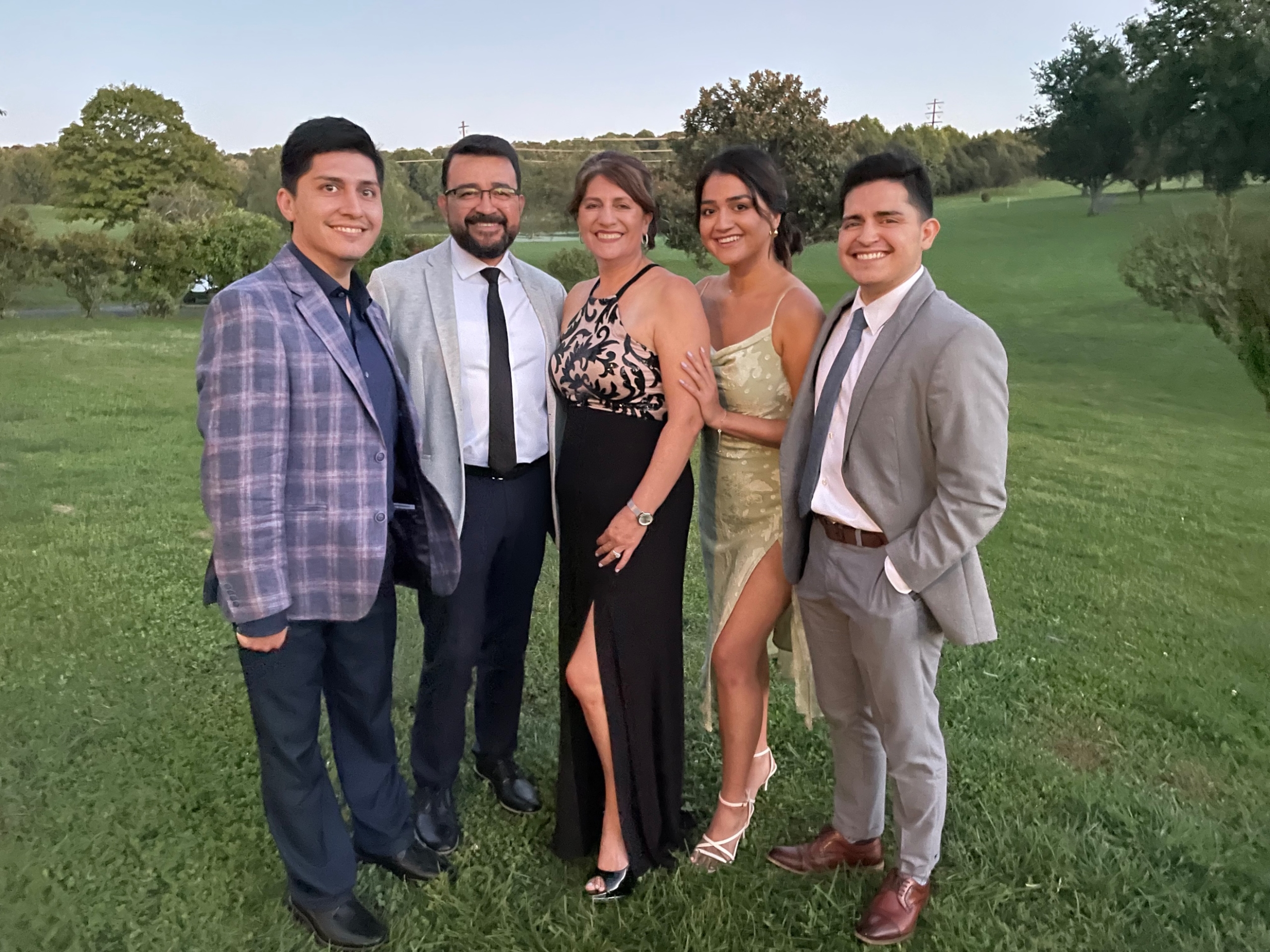
A family including a mom, dad, and three siblings stands posing together and smiling in formal wear. They are standing on a grassy field with trees in the background.Carlos now works at TDezz Badass Creations as part of the accounting and management department. He likes the job and enjoys helping people. But he dreams of opening his own business or working in Washington, DC. He loves going to the movies and the mall, especially with his girlfriend Naya whom he met in community college. He loves his dogs Lucas and Tyson, his siblings David and Karla, and his parents Maria and Carlos who are the most important people in his life and have been there for him through it all. He visits his relatives back in Ecuador often and is proud of his family.

Despite the challenges he has faced, he still chooses hope every day. He notes that “My biggest fear is that people won’t understand me, but I never give up. A life is nice to live and is beautiful. Life is too meaningful to waste.” Carlos is a resilient and determined man—but the barriers he has encountered, both in his physical environment and the perceptions of those around him, are harmful and limiting. As Carlos emotionally shared, “Everyone will be disabled at some point in their life. Things need to change.”

Want to read more stories like this? Visit thearc.org/stories.


A man in a pink button down stands in front of the ocean, smiling with his eyes closed. He is wearing glasses.

Meet Kevin: “Yes, I can do it!”

What do you want people to know about Down syndrome?

I want people to know that just because I have Down syndrome doesn’t mean I can’t live a fun and exciting life. I have a great life because of my Down syndrome. I want people to know that people like me with Down syndrome are fun, we are loving, we love to hug and we can own our own businesses.

Be nice to me and respect me because I am human, not because I have Down syndrome. I just want to be treated like everyone else and given the same chance to do things. Yes, I can do it. I just need a little more time.

What is a time you were upset or frustrated by how someone treated you?

I got frustrated one time when my sister Kate took me grocery shopping. I wanted to shop by myself and she didn’t want to let me. I got upset and frustrated. She then let me shop by myself and I did a great job. I was able to check out by myself too!

What is a time someone believed in you?

I was asked to be a guest bartender two different times. Once at El Buffalo and once at Raw and Refined. My nephew, Tyler, and the bar’s owners believed I would do a good job. I was so happy they believed in me. It made me so happy to see all my friends come out and support me too. I did a great job being a guest bartender and wouldn’t have known I could do it if they didn’t believe in me.

What are you most proud of?

I am most proud of my family. I love all my 5 sisters and 1 brother. I love that we all get along. I am very proud that I graduated from North County High School in 2002 and from Gigi’s prep in 2021. I am proud that I can work at my three jobs and make my own money.

I am proud of my life.

What does a good life look like to you?

I am happy with my life. A good life looks like my life now. I want to spend lots of time with my girlfriend Emma. I want to keep going on family vacations with my 5 sisters and 1 brother. I want to always stay living in my house. I want one day for all my sis and brother to live with me.

I hope one day to get married and have my own family. I would love to have my own business, work out more and get healthy.